
What Is the Fastest Line?
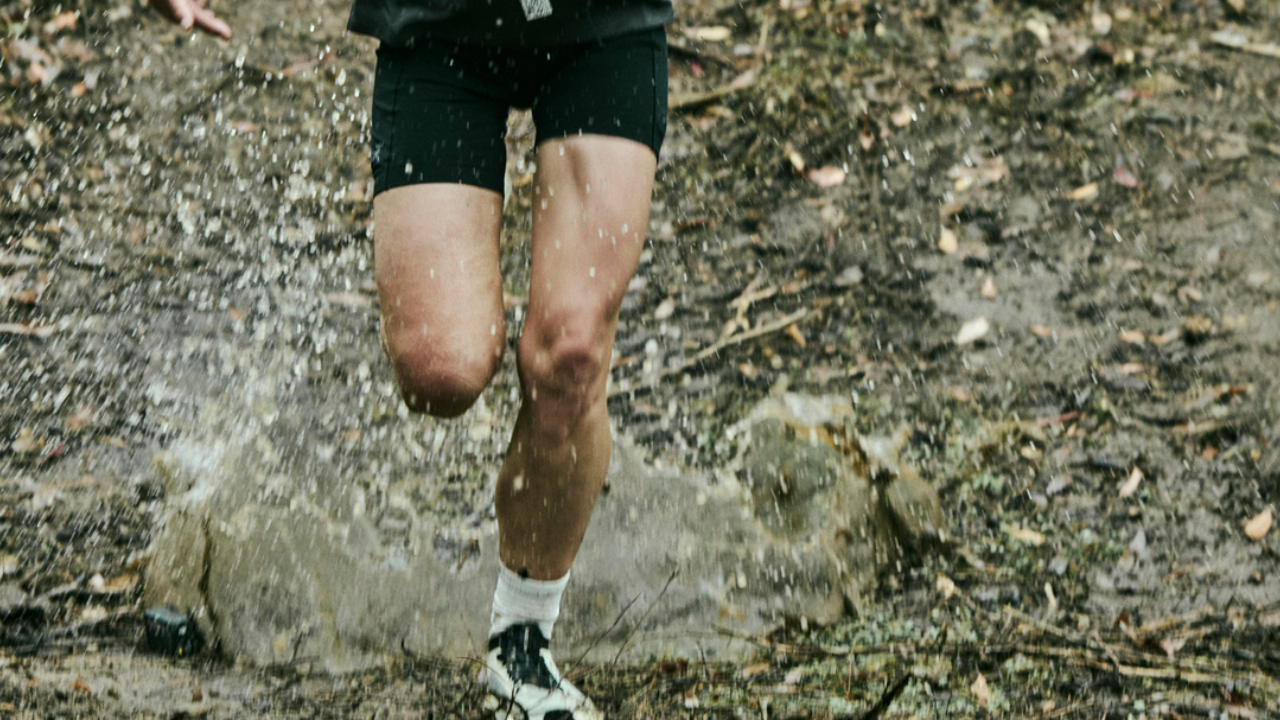
Experience does not remove uncertainty. It gives us more information to work with when we meet it.
For a long time, if you had asked me what the fastest line was, I probably would have answered with some version of:
More effort.
More tolerance.
More willingness to keep going.
There is a place for all of that.
That mindset has carried me through deserts, multi-day expeditions, unfamiliar countries and more hours on my feet than I could reasonably count.
Endurance taught me early that discomfort does not automatically mean stop.
Sometimes there is another gear.
Sometimes there is more capacity available than we initially believe.
And sometimes the only way we discover that is by staying with something beyond the point where we thought our limit sat.
But nearly two decades of endurance has changed the way I understand effort.
Not because I have become less willing to push.
Because I have more information to work with.
When the idea becomes literal
Recently, Arc’teryx brought a group of trail runners together at Caoura Cliffs in NSW to experience the new Sylan 2 around the idea of finding the fastest line.
The course was 11.5 kilometres.
Not especially long by trail-running standards, but there was a lot packed into it.
Open runnable trail shifted into narrower sections. The gradient changed regularly. There were creek crossings, wet ground and enough variation underfoot that whatever rhythm you found wasn’t necessarily yours to keep.
It wasn’t brutal terrain.
It was simply terrain that continued asking you to respond.
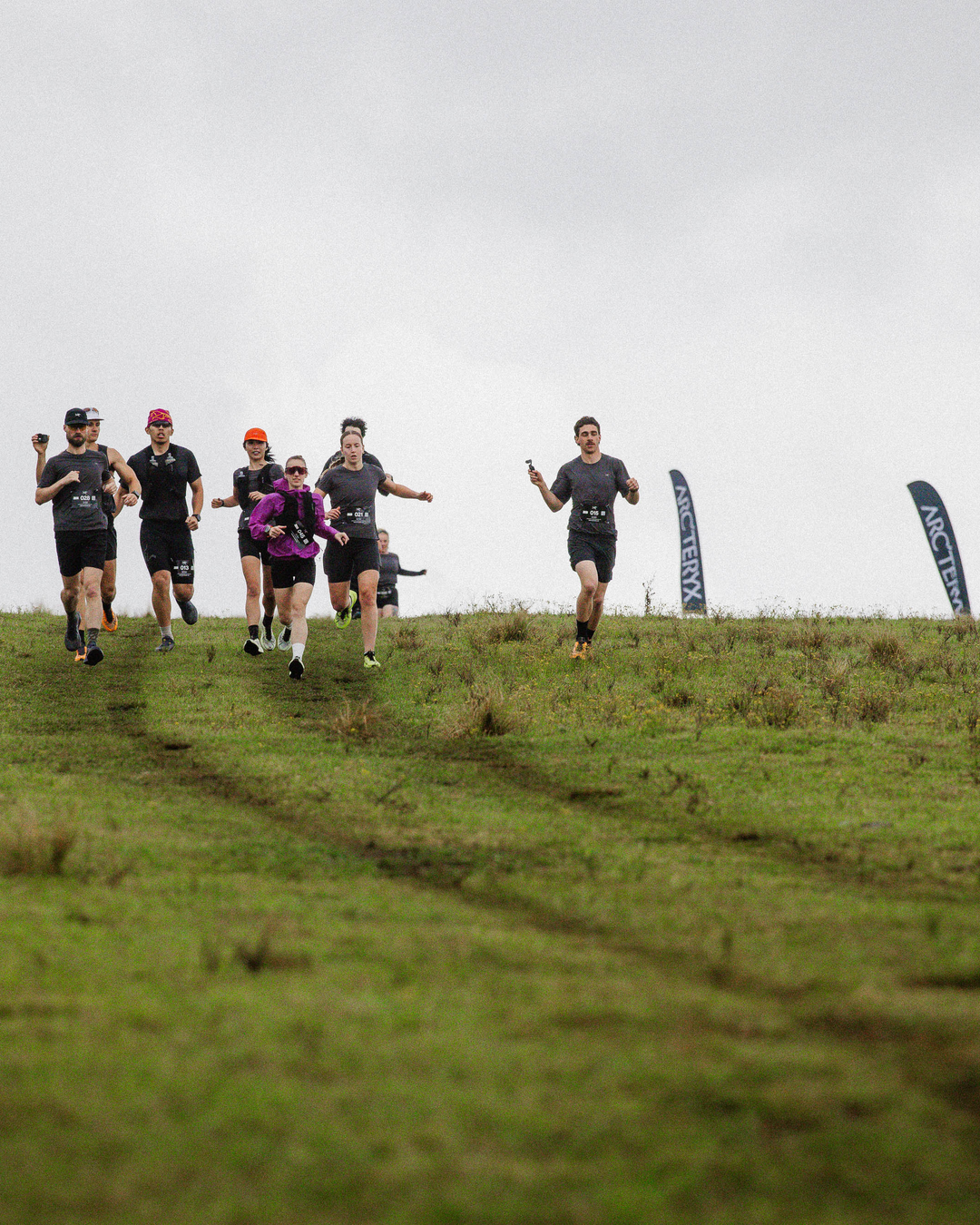
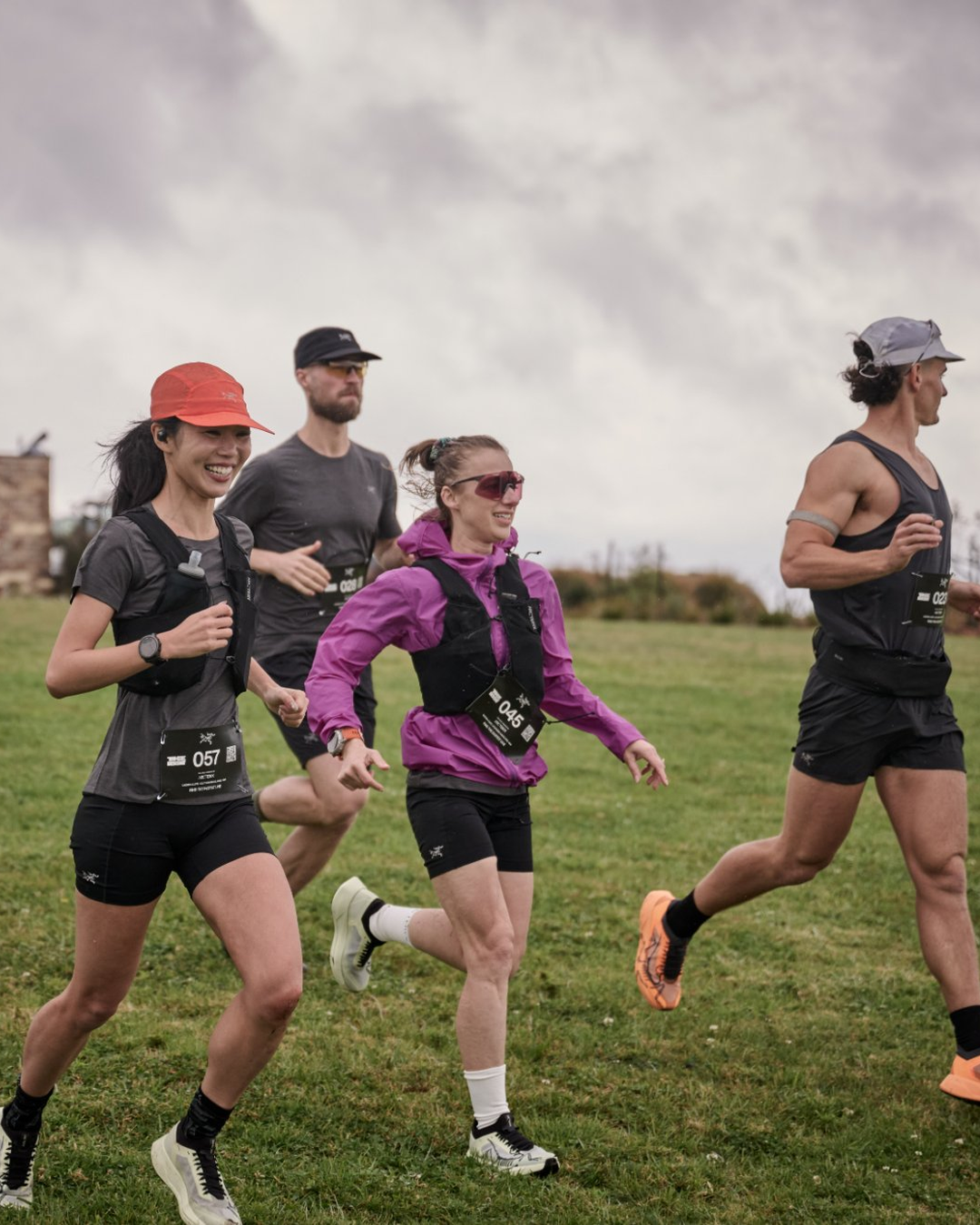
Then the weather introduced another layer.
A storm was building hard and fast around us, and the possibility of lightning became part of the information being considered as we moved.
The combination made something very obvious:
Variation and uncertainty ask you to be present.
The decision that made sense five minutes ago may no longer be the right decision now.
The line that looked quickest from a distance might look very different when you reach it.
Commitment and force are not the same thing
This is where the idea of the fastest line became more interesting to me.
Sometimes the answer was simple.
Commit.
Trust your feet.
Move.
There are moments on trail where hesitation costs more than confidence does.
But there were other moments where continuing to attack the same line simply because you had already chosen it made very little sense.
You shortened your stride.
Changed position.
Adjusted the effort.
Chose another line.
The terrain had given you new information, so you responded to it.
There is a distinction here that I think becomes clearer with experience:
commitment and force are not the same thing.
Commitment is staying connected to where you are trying to go.
Force is becoming so attached to one way of getting there that you stop noticing what is happening around you.
Earlier in my endurance life, I probably blurred those two things more often than I realised.
If I had chosen the line, I stayed on the line.
If the goal mattered, effort increased.
If something became difficult, my instinct was to find more.
But experience teaches you that there are situations where holding the original line actually becomes the slower choice.
Experience gives us reference points
We often describe experience as though its primary purpose is to make us tougher.
Do enough difficult things and difficult things become easier to tolerate.
There is some truth in that.
But toughness is only a small part of what experience gives us.
The greater value is the accumulation of reference points.
You have experienced more versions of fatigue.
More versions of discomfort.
More weather changes.
More plans that worked beautifully.
More plans that unravelled.
More moments where pushing harder was exactly the right response.
And more moments where it absolutely wasn’t.
All of those experiences give you something to compare the present moment against.
You begin to recognise patterns earlier.
You start to understand the difference between ordinary discomfort and something that deserves your attention.
You notice when confidence is helping you commit and when ego is preventing you from changing course.
You become more comfortable adjusting without immediately interpreting that adjustment as failure.
You meet uncertainty with a deeper set of references to draw from.
And hopefully, better judgement about what to do next.
The value of presence
Trail running makes this incredibly tangible.
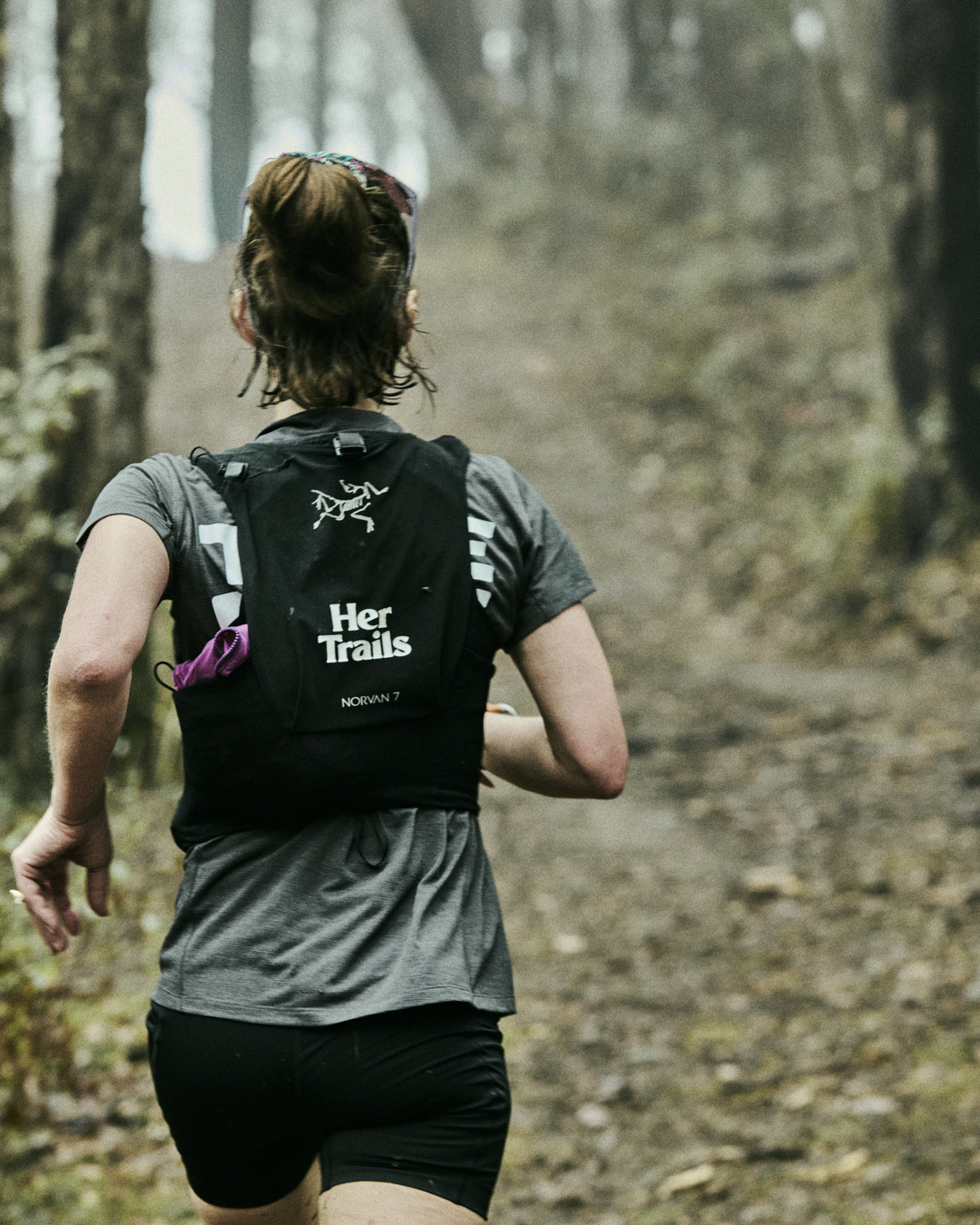
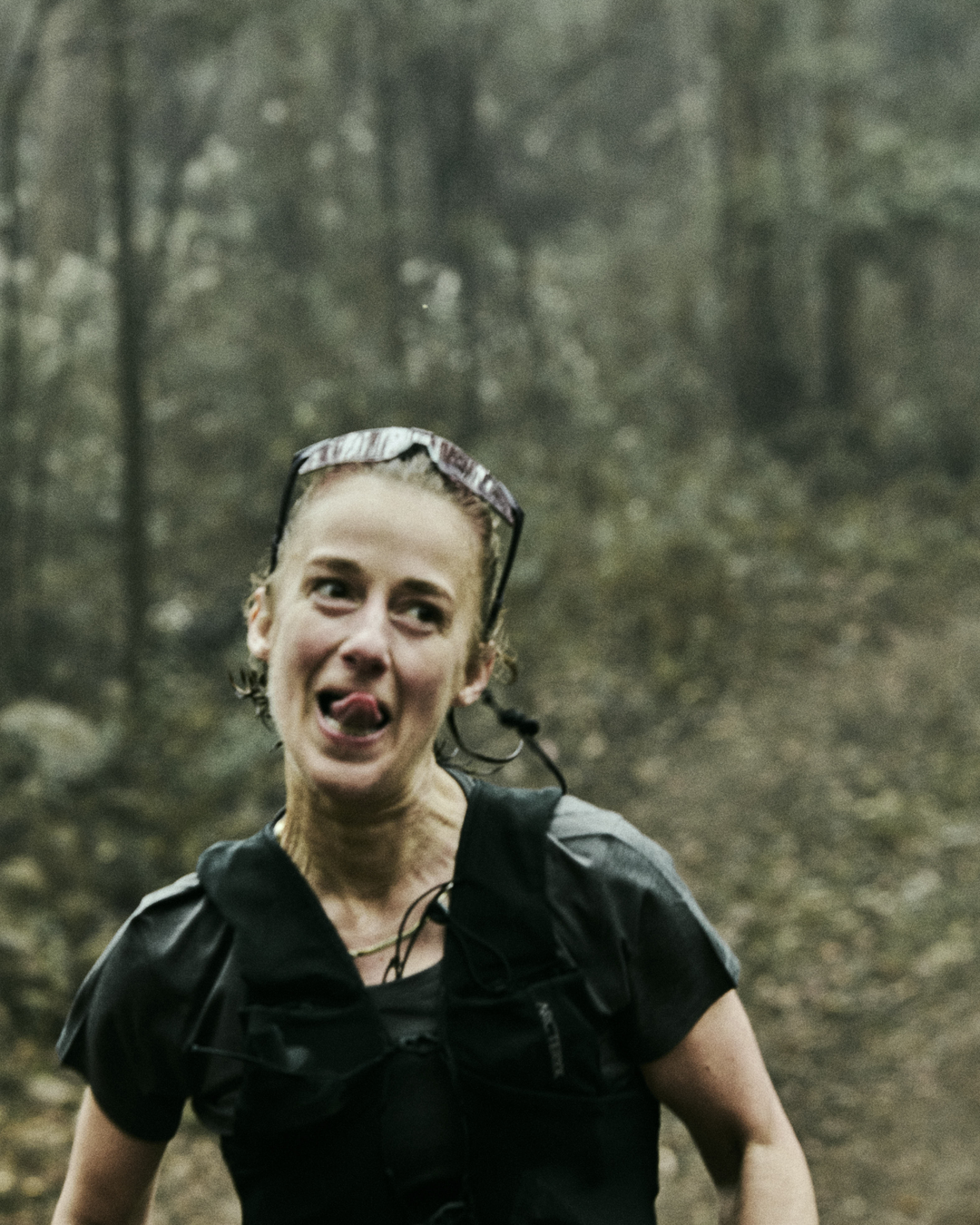
Your body is constantly receiving information.
Gradient.
Surface.
Weather.
Grip.
Fatigue.
The people around you.
The distance still ahead.
Your own level of confidence.
None of those things remain perfectly fixed.
So moving well requires attention to what is actually happening rather than what you expected to happen.
That is one of the things I love about being in the mountains.
They have a way of pulling you back into the present.
You can arrive with a plan.
You should arrive with a plan.
But the environment gets a vote.
There is humility in that.
You are continually negotiating between intention and reality.
And the better you get at noticing the gap between the two, the more choices become available to you.
Effort is one tool
I am still interested in effort.
Deeply.
I still believe there are moments where we abandon something too early because discomfort convinces us there is nothing left when there is.
But effort is one tool.
It is not an automatic answer.
Sometimes more effort creates momentum.
Sometimes it just creates more cost.
And increasingly, I think high performance is partly about knowing the difference.
Where can I commit?
Where am I forcing something that isn’t there?
Have the conditions changed?
Does the information I have now differ from the information I had when I made the original decision?
Am I maintaining the plan because it remains the best way forward, or because changing it feels uncomfortable?
These questions are less dramatic than simply telling ourselves to push harder.
But they often require more skill.
Sylan and the line ahead
Sylan is a mountain landscape on the Norway-Sweden border, known for its sharp, pointed peaks.
There is something fitting in that association for a shoe built around speed and confidence through changing mountain terrain.
Not because there is one perfect line through a mountain.
Quite the opposite.
Terrain creates choices.
The Sylan 2 is designed around moving quickly and efficiently through that kind of environment, but what interests me most about equipment is rarely the technology in isolation.
It is what good equipment allows you to stop thinking about.
On the trail at Caoura Cliffs, I wasn’t mentally listing what was underneath my feet.
My attention was ahead.
What is the terrain doing?
What is changing?
Where does my attention need to go next?
When equipment is doing its job, it supports that relationship between you and the environment rather than demanding your attention away from it.
And when everything comes together, there are those moments where movement becomes almost instinctive.
You read.
You respond.
You move.
The fastest line is rarely fixed
Maybe that is why I keep returning to the question.
What is the fastest line?
The answer is not necessarily the most aggressive line.
It is not always the shortest line.
It is not automatically the line requiring the greatest effort.
And it is rarely fixed.
It changes with the terrain.
The conditions.
Your body.
What has already happened.
What you know now that you didn’t know when you started.
Experience can make commitment more deliberate.
You know what you are asking of yourself.
You know when the moment warrants it.
And you also become more capable of recognising when staying committed to the destination requires changing how you intend to get there.
That feels increasingly important to me.
In running, certainly.
But also well beyond it.
There are plenty of moments in life where persistence matters.
There are also moments where our attachment to the original line prevents us from seeing a better one.
Experience cannot tell us exactly what comes next.
That isn’t its job.
Perhaps what it gives us is something more useful:
a deeper set of references to draw from, the presence to notice when something has changed, and the judgement to know when to commit, when to adjust, and when the line itself needs to change.
This is The Long Game. Start the conversation.