
Expeditions · The Lived Work
The journeys behind the work.
Endurance has been the constant thread through Samantha's work for more than two decades.
Each expedition began long before the first step. It started as an untested proposition with no defined blueprint: a purpose to clarify, the right people to bring together, and a process to build from the ground up.
Routes, partnerships, funding, logistics, safety, storytelling and social impact all had to be shaped around conditions that were uncertain and constantly changing. Teams had to align around a shared objective, contribute different expertise and keep moving when the original plan no longer held.
And that was just to reach the start line.
From deserts and mountain ranges to journeys across entire countries, these expeditions are stories of endurance in its fullest sense: not only the physical challenge, but the work of turning an ambitious idea into a collective undertaking with purpose, structure and lasting impact.
Atacama · Gobi · Sahara · Antarctica · India · South Africa · Nepal · Australia
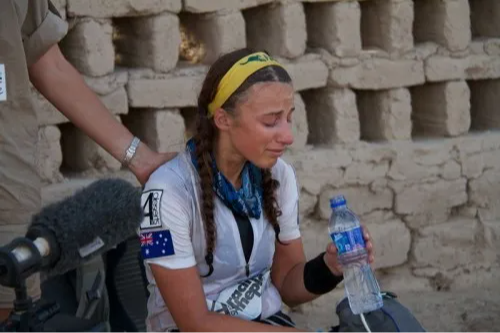
2010 · Atacama, Gobi, Sahara, Antarctica
4 Deserts Grand Slam
First woman and youngest person to complete four 250km desert ultramarathons in a single year. The beginning of everything: proof that the ceiling was a story.
1,000
Kilometres
4
Deserts
1
Year
Samantha became the first woman and youngest person to complete the 4 Deserts Grand Slam, carrying six days of food, water and mandatory equipment across each race on her 4-foot-11½-inch frame.
Continue reading
Every desert presented a different challenge, from the heat and salt flats of the Atacama to the dunes of the Sahara, the frozen landscape of Antarctica and the vastness of the Gobi.
It was the expedition that proved endurance wasn't defined by size, experience or expectation, but by the willingness to begin before there was any certainty of the outcome.
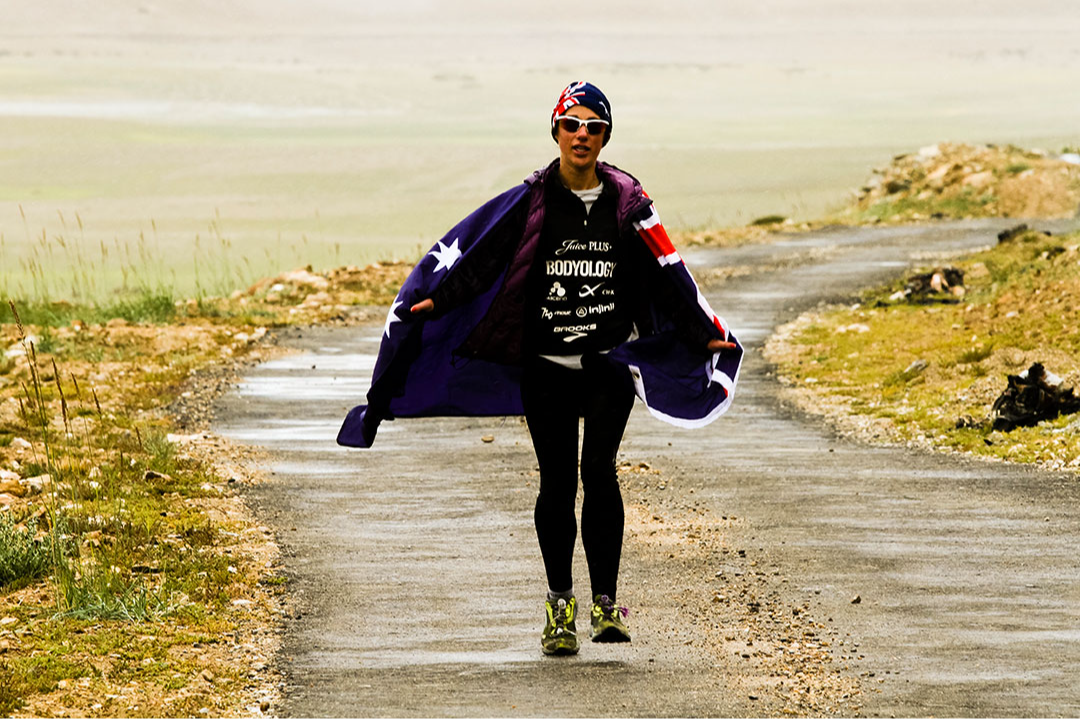
2011 · The Himalayas, India
La Ultra
A 222km non-stop ultramarathon through one of the highest race courses on Earth.
222
Km non-stop
~6,000
Metres altitude
Running at altitudes approaching 6,000 metres, Samantha encountered extreme heat, sub-zero temperatures, altitude sickness and rapidly changing mountain conditions.
Continue reading
Every decision, from pacing to nutrition and recovery, carried greater consequence in an environment where mistakes could escalate quickly. The race became an important turning point, demonstrating that endurance could become a platform for something much bigger than athletic achievement.
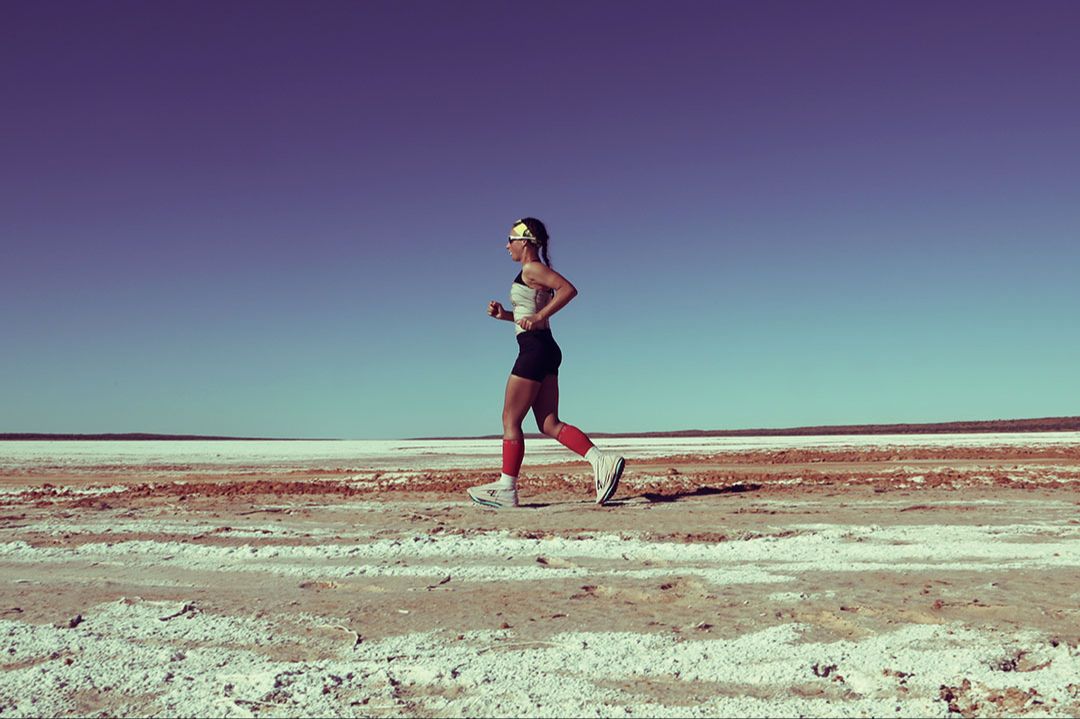
2011 · Australia
Simpson Desert Crossing
A 379km non-stop crossing from Akka Seltzer Bore to the front door of the Birdsville Hotel.
379
Km non-stop
3+ days
Through the desert
One team
Built from scratch
The Simpson Desert marked a turning point in how Samantha approached adventure.
Continue reading
While working as a graduate lawyer at Baker & McKenzie, Samantha competed in a 100km ultramarathon in the Australian outback where a bushfire swept through the course and caused serious injuries to several athletes.
The experience made her question what it meant to enter the unknown while placing complete trust in an expedition designed by someone else. Still determined to explore the boundaries of endurance, she decided her next challenge would be one she created herself.
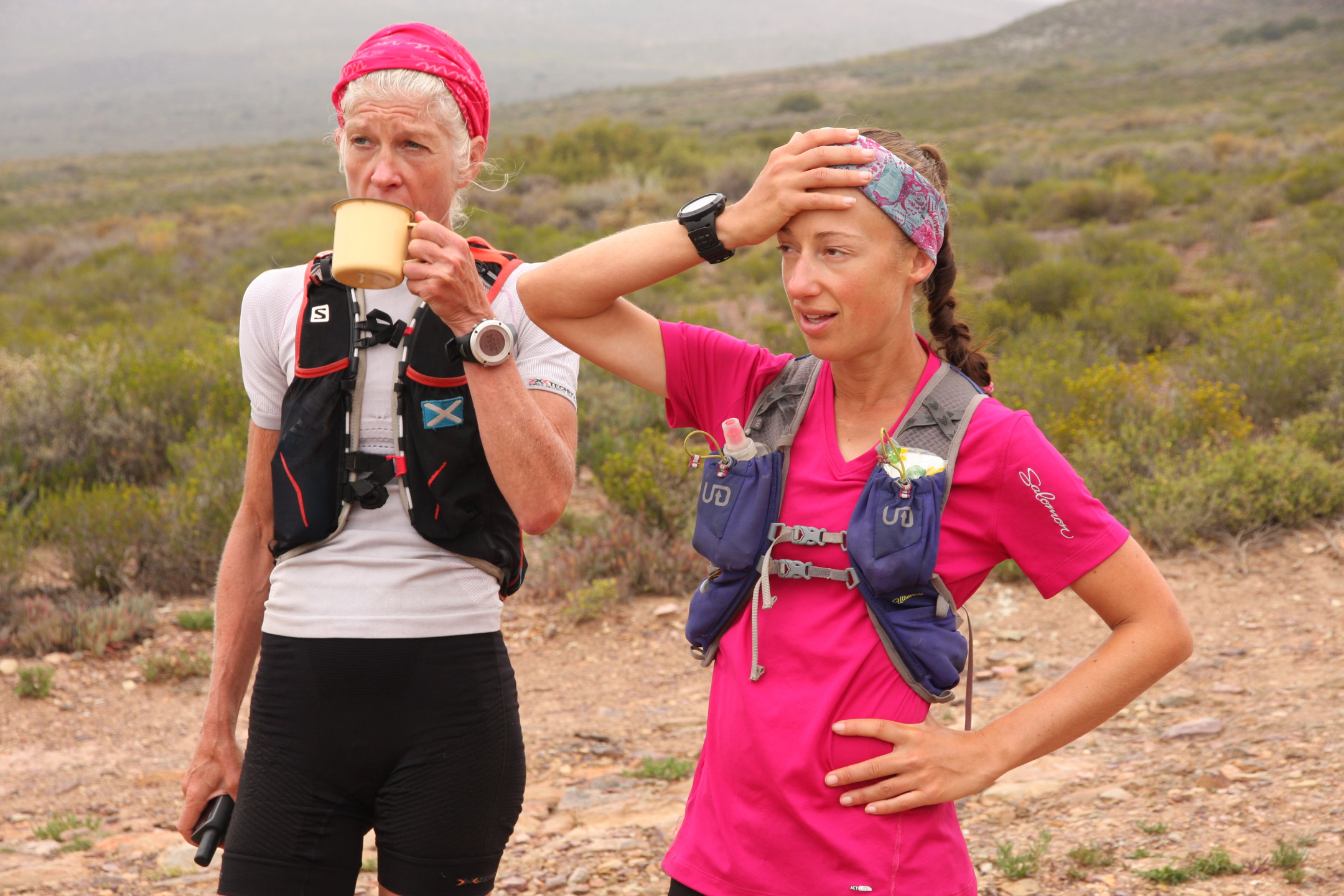
The Simpson Desert Crossing began with no existing race structure or defined blueprint. Samantha had to learn the route, assemble a support crew and build the logistics, communications, safety systems and fundraising campaign from the ground up.
Beginning at the remote Akka Seltzer Bore, the team crossed one of Australia’s harshest and most isolated landscapes while managing extreme temperatures, sleep deprivation, limited resources and the relentless demands of a multi-day non-stop effort.
The finish line was the front door of the Birdsville Hotel. The expedition also marked the beginning of Samantha intentionally connecting endurance with social impact, raising funds for an early-education initiative within remote Indigenous communities.
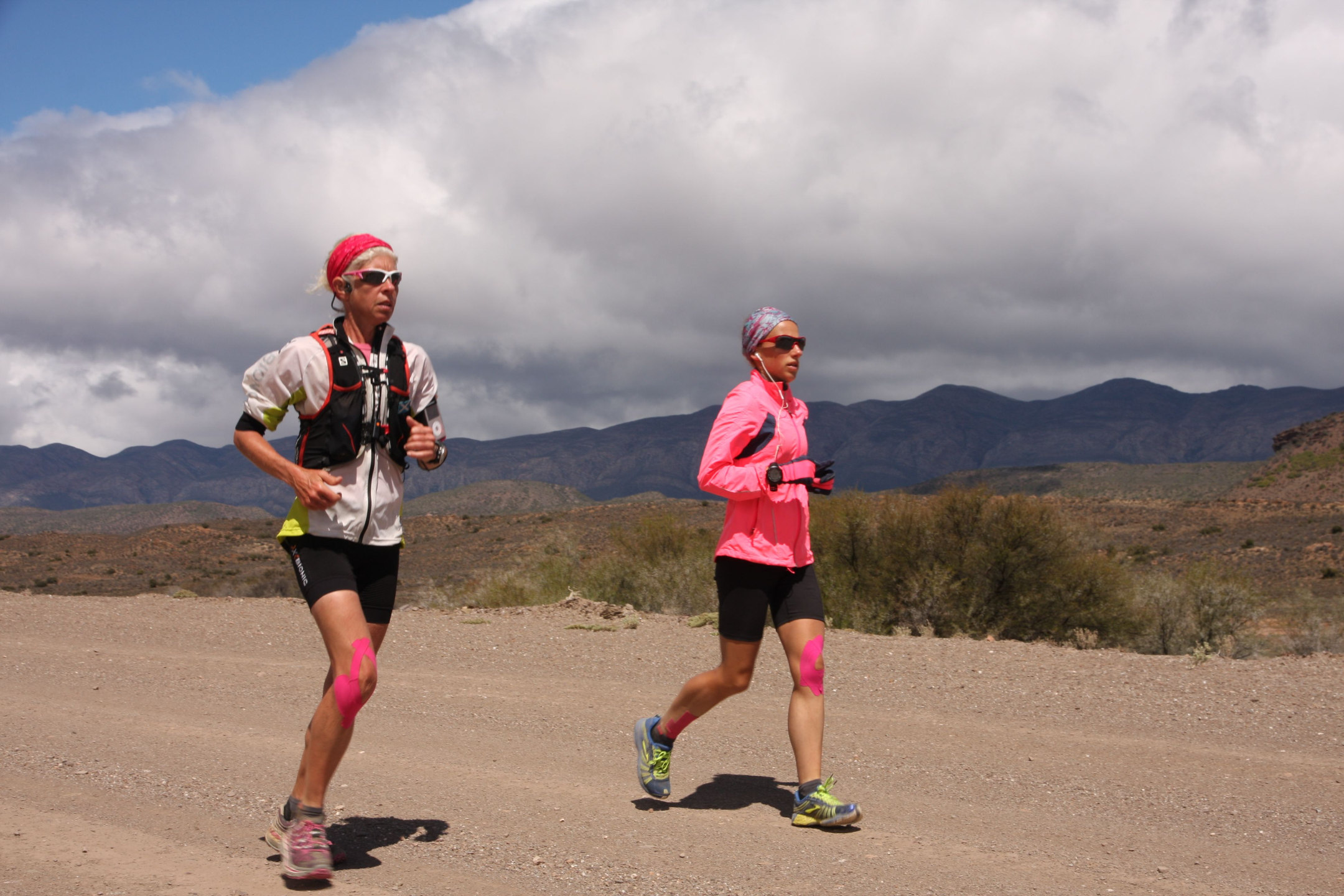
2014 · South Africa
Freedom Runners
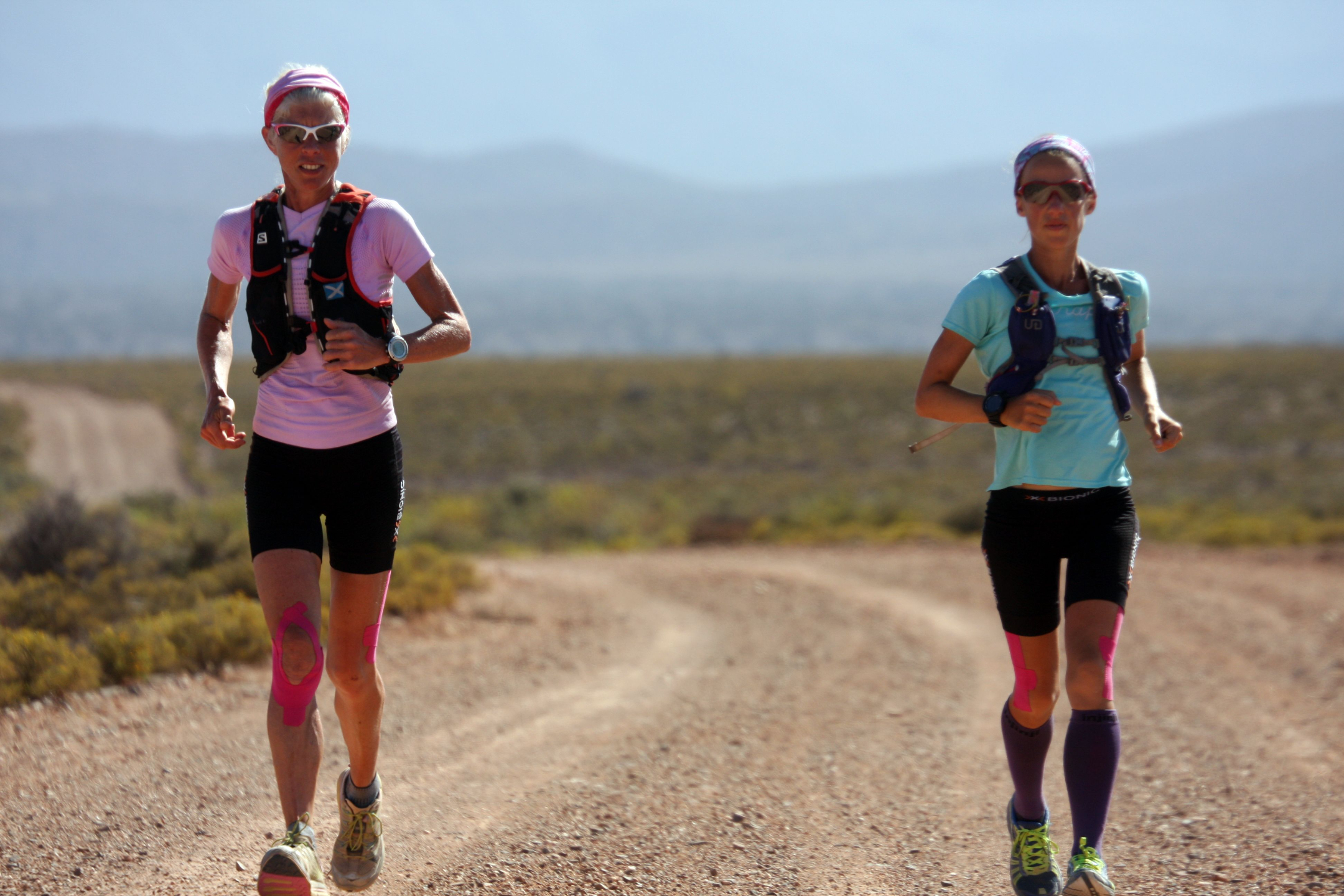
A 1,968km traverse of South Africa’s Freedom Trail with British ultrarunner Mimi Anderson.
1,968
Kilometres
32
Days
37,000m
Cumulative ascent
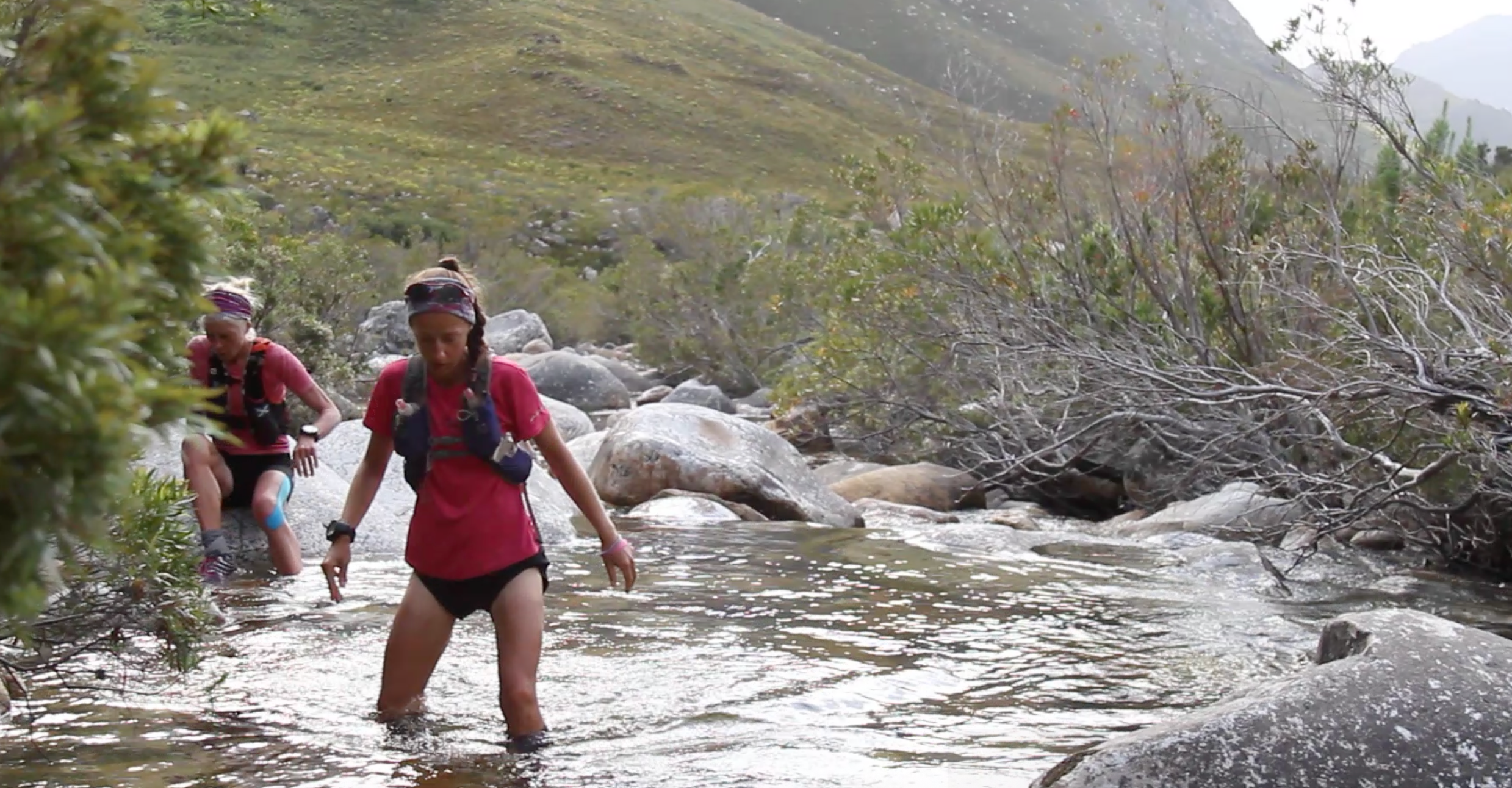
Two years in the making, the expedition followed an unmarked route through some of South Africa’s most remote and technically demanding terrain.
Continue reading
Beginning outside Pietermaritzburg City Hall and finishing in Paarl near Cape Town, Samantha and Mimi travelled across dirt roads, mountain tracks, cattle trails and isolated rural landscapes.
The route crossed six mountain ranges, the vast open spaces of the Great Karoo, countless valleys and several conservation areas, reaching elevations of up to 2,700 metres.
Across 32 days, they covered between 48 and 95.6 kilometres each day—often close to two marathons—while climbing a cumulative 37,000 metres. They stayed with local farming families along the route, creating a deeper connection to the landscapes and communities they were moving through.
The expedition required far more than two athletes covering distance. It brought together crew, local hosts, community organisations, charity partners and supporters around a shared social-impact purpose.
Freedom Runners raised awareness and funds to support girls in rural KwaZulu-Natal who were missing school because they could not access affordable menstrual products. The campaign supported the development of reusable sanitary products, alongside health education, life-skills training and workshops for students and parents.
The result was an expedition of extraordinary physical scale, shaped equally by the terrain, the people encountered along the way and the belief that endurance could be used to expand opportunity for others.
2016 · India
Run India
A 3,800km west-to-east run from Jaisalmer in the Thar Desert to Shillong, completed over 77 days in partnership with World Vision.
3,800
Kilometres
77
Days
$200K
Almost raised
Run India began six years before the start line, including two years of full-time preparation to build an expedition of extraordinary scale from the ground up.
Continue reading
Beginning in the harsh Thar Desert, Samantha and her team travelled east across India towards Shillong, moving through Himalayan foothills, farmland, cities and remote communities.
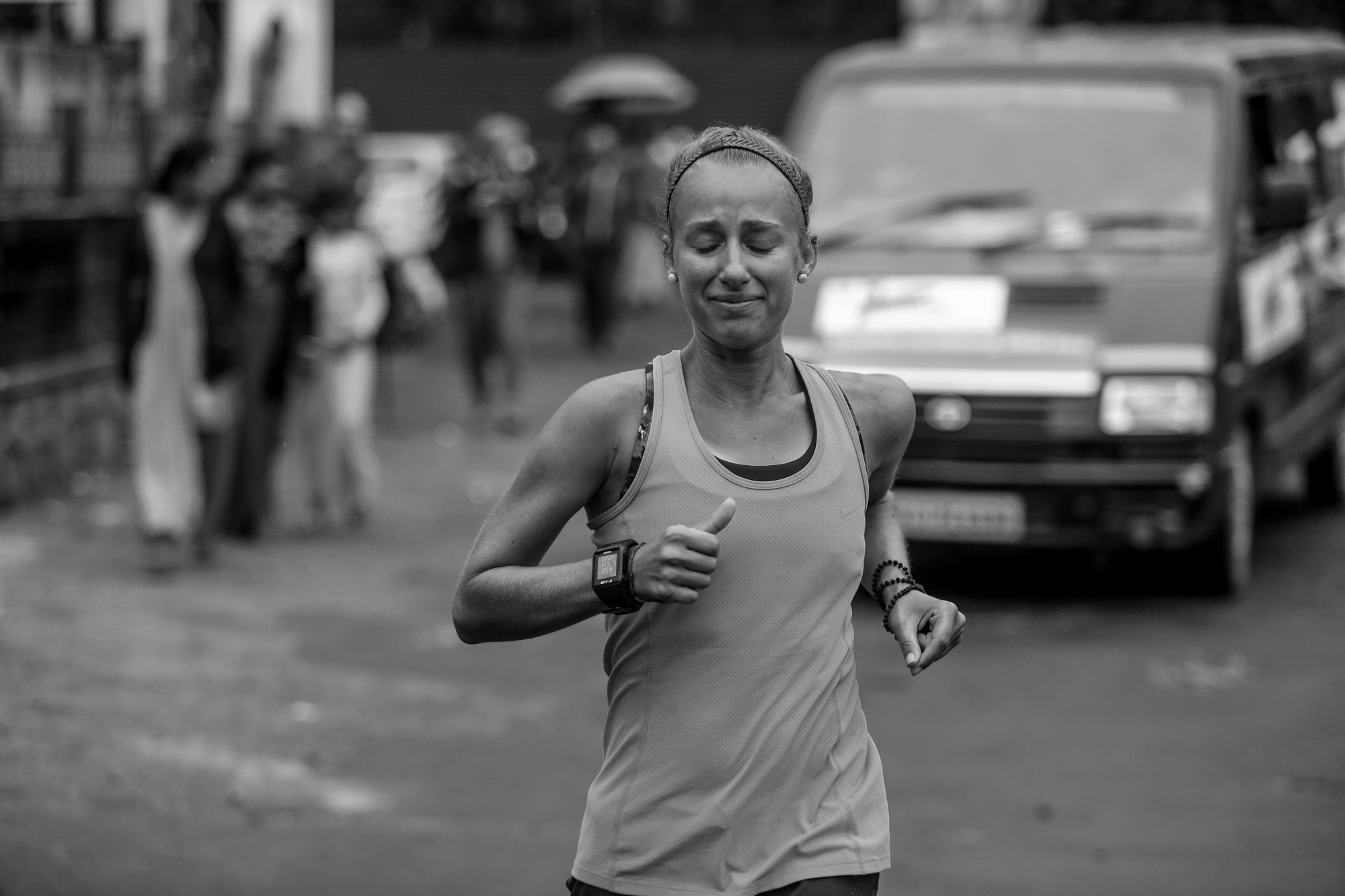
The route unfolded across dust, gravel, unsealed roads, highways, fields and steep terrain. Dehydration, stomach illness, monsoonal weather, poor air quality, traffic and injury repeatedly reshaped the plan.
No two days were the same. The expedition demanded constant decisions around route, safety, health, logistics and timing, while a wider team managed the operational, community and storytelling work surrounding the run.
Behind the 77-day crossing were six years of ideation and two years of full-time preparation. Permissions, partnerships, transport, accommodation, route planning, medical support, communications and the social-impact campaign all had to be created without an existing blueprint.
Along the route, Samantha visited World Vision programs addressing barriers to quality education and shared stories of hope, resilience and inequality from communities across the country.
The expedition raised almost $200,000 for six education-focused programs, turning an extreme endurance journey into a platform for children whose access to education was limited by geography, poverty and circumstance.
From the physical strain of crossing a country on foot to the constant soundtrack of traffic and horns, Run India became one of the most complex and defining undertakings of Samantha’s career.
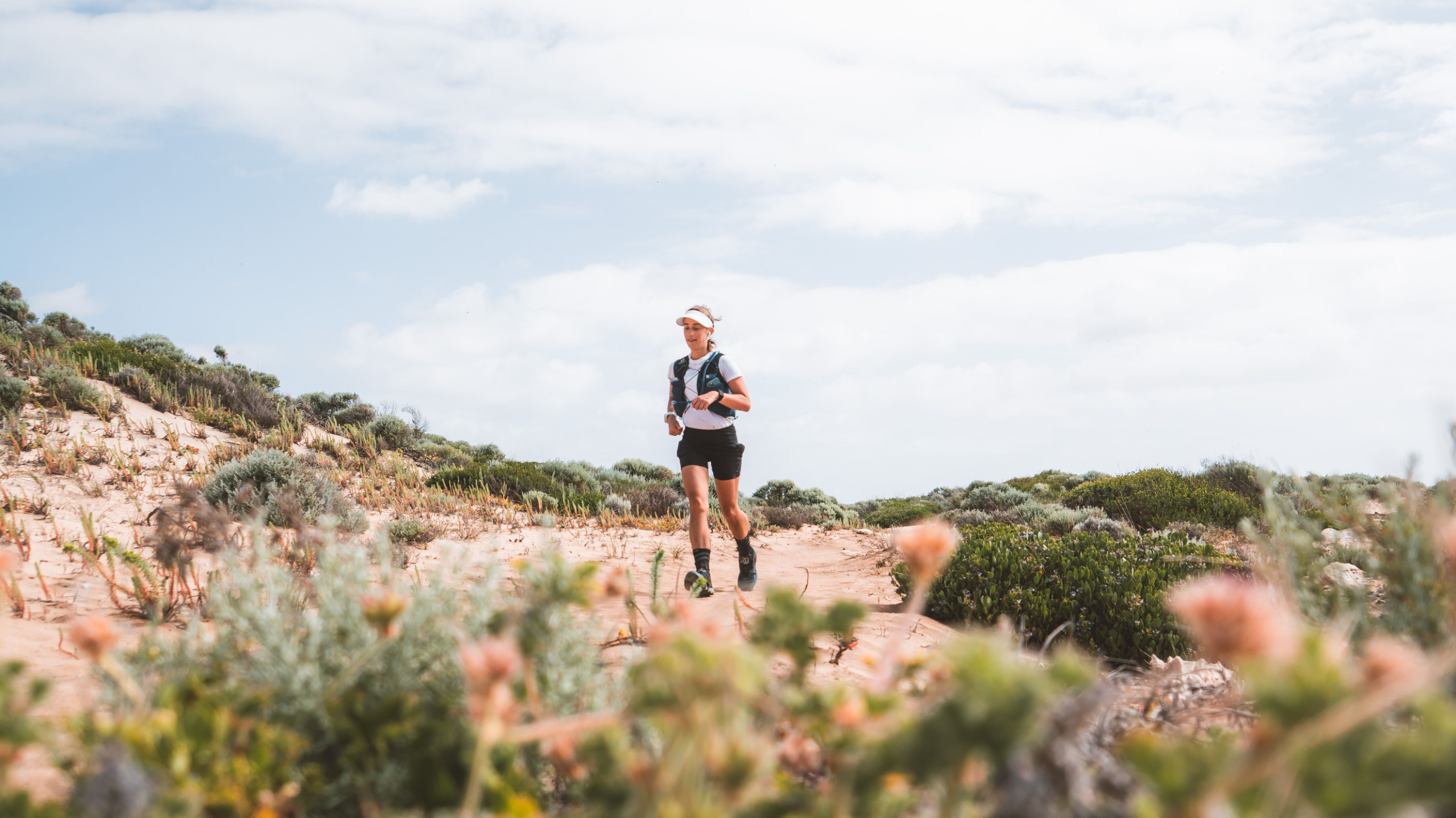
2020 · Western Australia
Cape to Cape
A solo, unsupported fastest known time across Western Australia’s wild and exposed Cape to Cape Track.
135
Kilometres
20:47
Finish time
2 hrs
Previous record broken
After more than 100 days in Victoria’s Stage Four lockdown, Samantha set out to reclaim movement, purpose and the confidence to undertake something entirely on her own.
Continue reading
The Cape to Cape Track stretches between Cape Leeuwin and Cape Naturaliste through soft sand, sharp rock, forest, exposed headlands and remote coastline. Samantha completed the trail solo and unsupported in 20 hours and 47 minutes, setting a new female fastest known time and breaking the previous record by two hours.
Unlike her previous expeditions, there was no teammate or support crew to solve problems on the move. She carried her own food, safety equipment, navigation, batteries and water capacity, refilling only from public taps along the route.
Early in the run, she took a wrong line across jagged rocks. Later, a missed water refill left her dehydrated, disoriented and physically depleted. Then, with more than 30 kilometres remaining, she discovered her headtorch was not in her pack.
Rather than accept assistance and lose the unsupported attempt, Samantha continued through the final seven hours of darkness using the light from her phone. Visibility was limited, navigation demanded constant concentration, and dehydration affected her judgement, legs and stomach.
She moved through soft sand, darkness and repeated physical setbacks, at one point vomiting on the trail before standing up and continuing towards the lighthouse. The objective shifted from chasing a time to finishing safely without compromising the conditions she had set for herself.
The run revealed both the freedom and consequence of operating alone. Without a team, every weakness, oversight and decision belonged to her. Yet even unsupported, she remained connected to the people tracking her progress and willing her forward from a distance.
Cape to Cape became more than a record. It was a return to movement after prolonged restriction, a test of independence, and a reminder that progress can continue even when the original plan has fallen away.
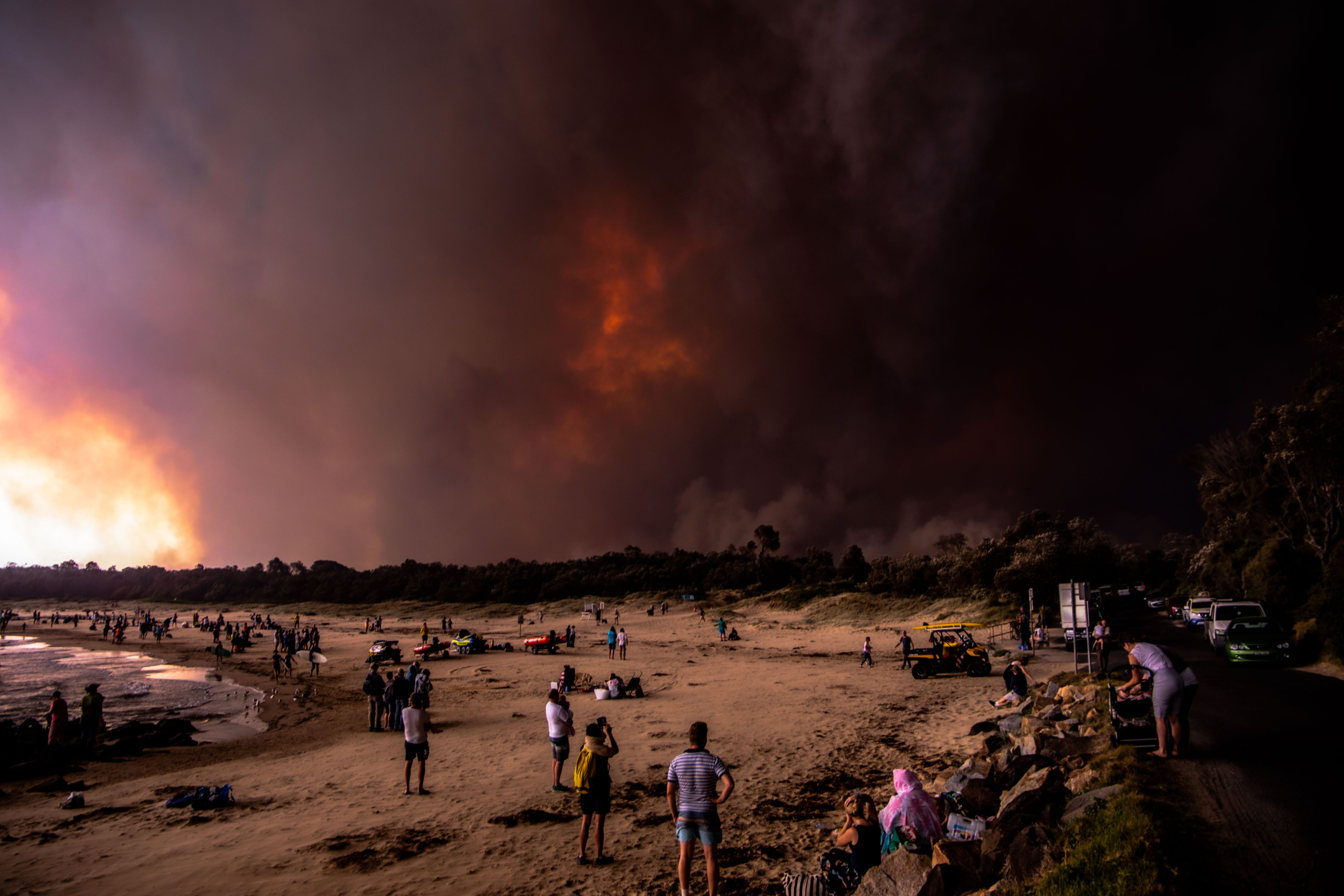
2020 · Australia and Global
Relief Run: Australia
A global virtual running event co-founded by Samantha Gash and Nic Davidson in response to Australia's devastating bushfire crisis.
$1.2M
Raised
~20,000
Participants
96
Countries
Conceived and launched in just 12 days, Relief Run gave people anywhere in the world a simple way to move together and support communities affected by the bushfires.
Continue reading
Relief Run began with a clear proposition: participants could walk or run five kilometres or a half marathon, wherever they were, and contribute directly to Australian bushfire relief.
With no existing blueprint and almost no lead time, Samantha, Nic and a small team built the platform, registration model, charity partnership, communications and global participant experience from the ground up.
What began as a response to a national emergency quickly became a global movement. Nearly 20,000 people across 96 countries participated, raising $1.2 million for the Australian Red Cross in 12 days.
One hundred per cent of registration proceeds were directed to relief efforts. Thousands of individual runs, completed across different streets, trails and time zones, became one coordinated act of support.
Relief Run Australia created an accessible digital model that could rapidly mobilise people around a shared purpose.
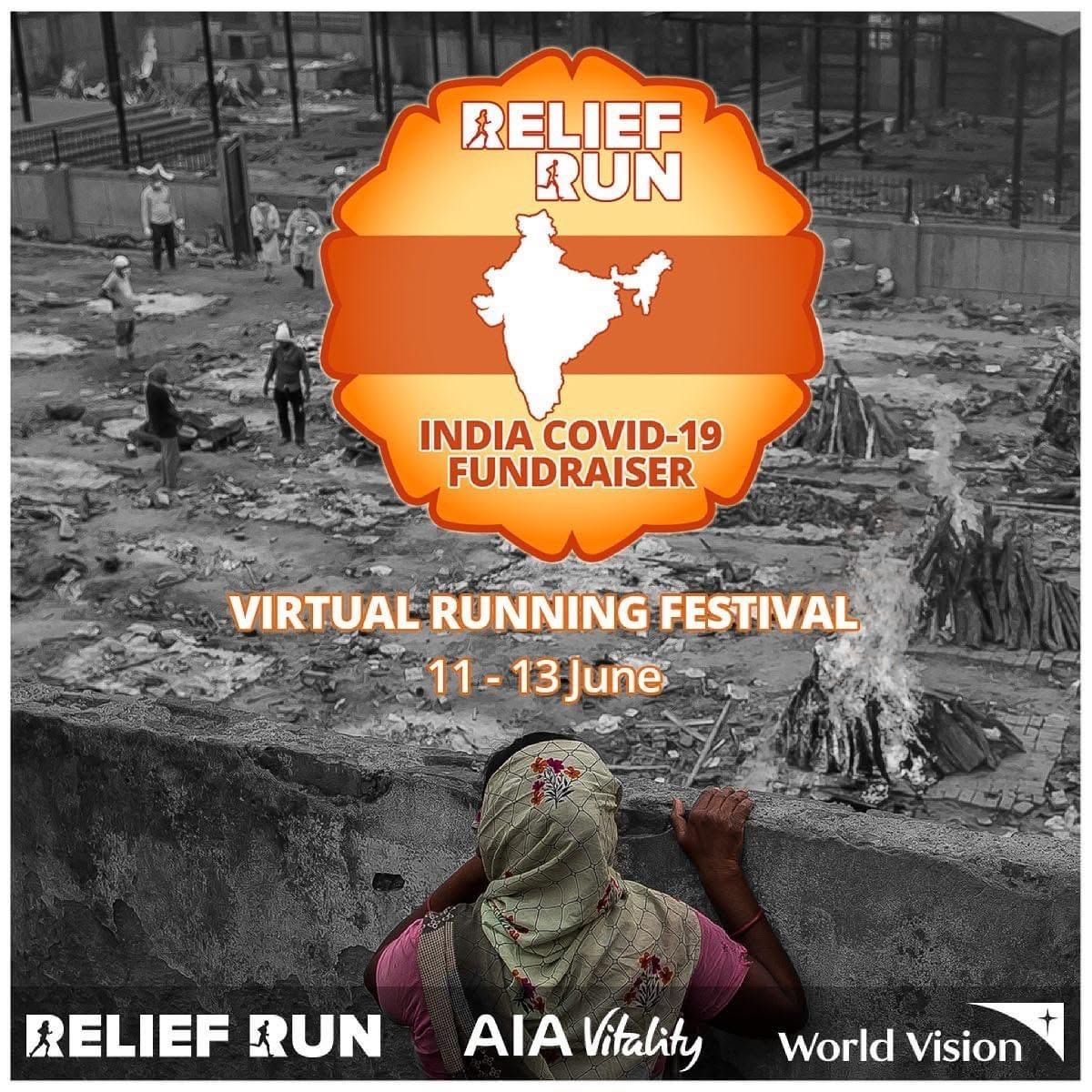
2021 · India and Global
Relief Run: India
A second global Relief Run campaign, created during India's COVID-19 crisis to mobilise urgent humanitarian support through World Vision.
Global
Participation
Virtual
Walk or run
$1.5M+
Across campaigns
Relief Run India showed that the original campaign was more than a one-off response. The model could be rebuilt around a new crisis, new partners and a different humanitarian context.
Continue reading
As India faced a devastating wave of COVID-19, Relief Run returned with the same accessible invitation: people could walk or run from wherever they were and direct their participation towards communities in urgent need.
The campaign brought together Samantha's longstanding connection to India, World Vision's humanitarian work, corporate partners and a global community of runners and walkers.
AIA Australia joined Relief Run and World Vision to help raise funds for emergency support in India, adding the reach of a major corporate partner to the campaign.
The team adapted the platform, partnerships, messaging and participant experience for a different crisis while preserving the simplicity that made the original Relief Run effective.
Funds supported World Vision's response for vulnerable communities affected by COVID-19, helping provide access to emergency resources, health support and essential services.
Across the Australian and Indian campaigns, Relief Run raised more than $1.5 million and engaged tens of thousands of participants across more than 90 countries.
Relief Run India proved that a clear purpose, an accessible way to participate and the right partnerships could mobilise global action more than once.
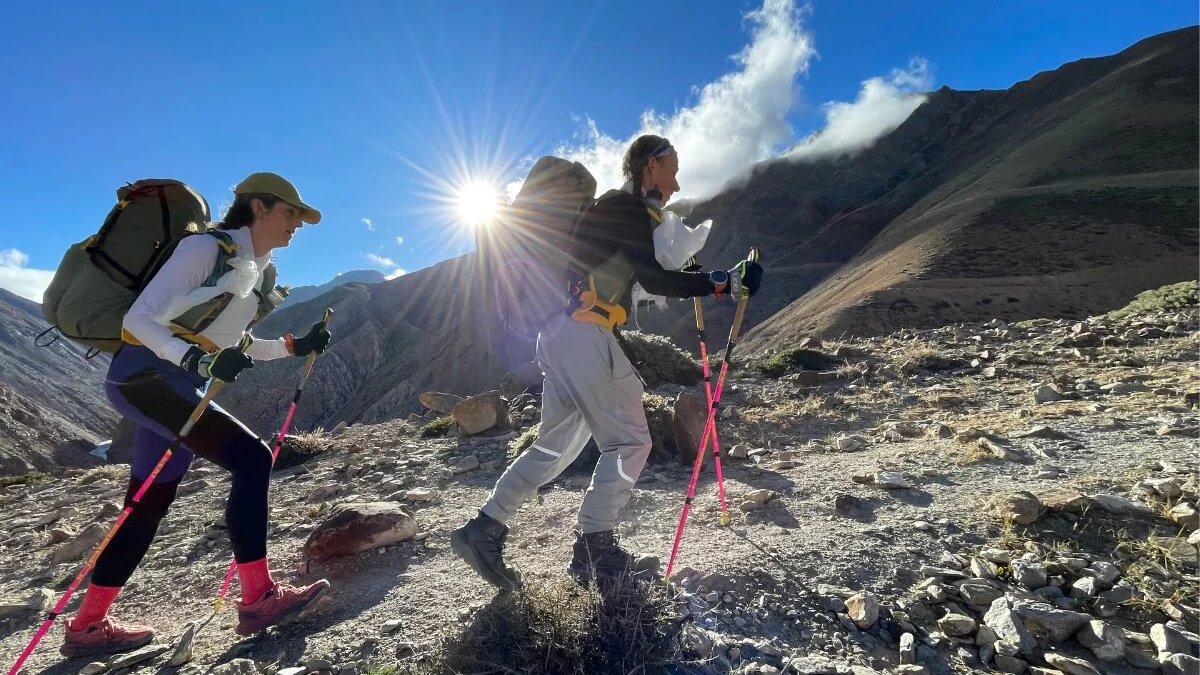
2022 · Nepal
Great Himalaya Trail
A 50 day traverse of approx. 1,000km of Nepal's Great Himalaya Trail with Dr Jessie Ling, through storms and active landslides. Captured in the film Resilience in Motion.
~1,000
Kilometres
50
Days
Crossing one of the world's most remote mountain environments, the unsupported expedition demanded constant decision-making as conditions repeatedly altered the route ahead.
Continue reading
Beyond the physical challenge, the journey supported World Vision's work with women and girls in rural Nepal while documenting the realities of communities living amongst the Himalayas. It was an expedition where preparation mattered, but adaptability determined progress.
Expedition Partnerships
Partner with Samantha on what comes next.
Every expedition is brought to life alongside a small number of aligned partners. Partnering means helping carry this work into the world: the journeys, the films and the community programs behind them, while Samantha puts her storytelling, credibility and audience behind your campaigns. Shared purpose, told honestly, over the long term.