
The Mental Load Is a Health Issue
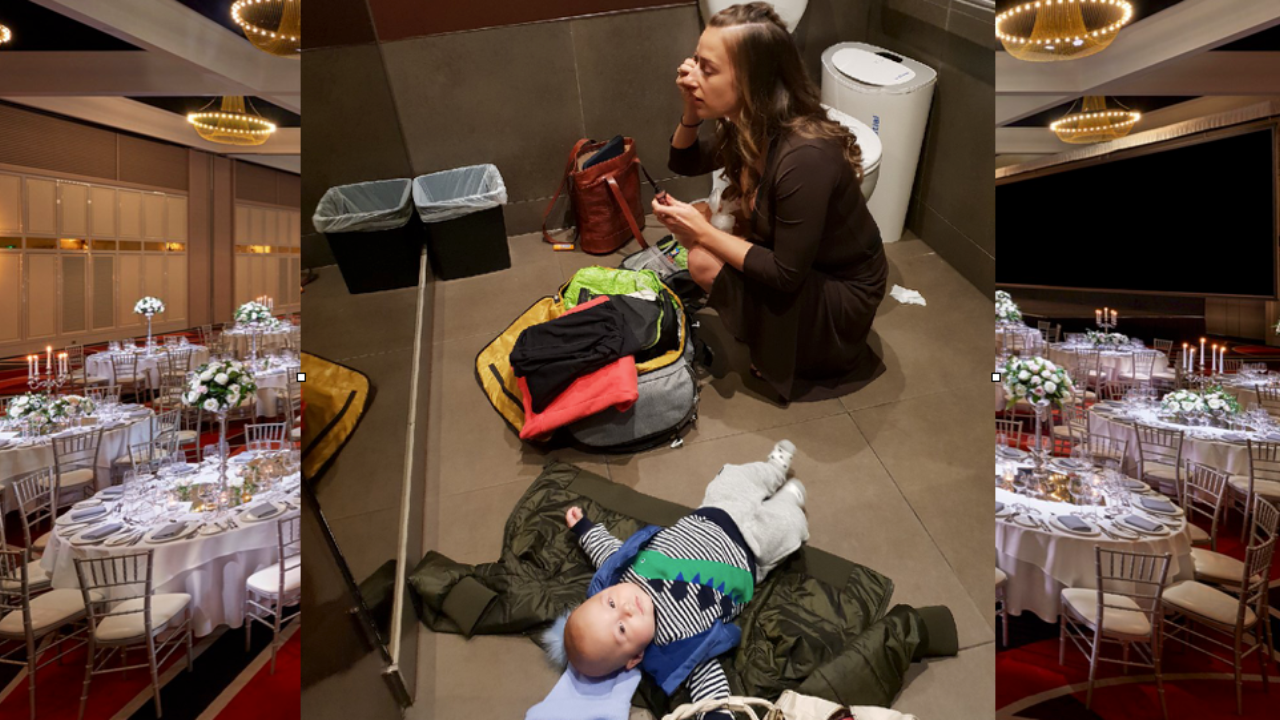
The invisible work of running a household is not a scheduling problem. It is a health issue.
There is a form of work that does not appear on any timesheet.
Noticing that the school forms are due. Remembering the dentist. Tracking who needs new shoes, what is in the fridge, whose birthday is coming up, and what was said at the last parent-teacher meeting.
Not simply doing the tasks, but carrying the knowing of them.
All of them. All the time.
Researchers call this the mental load, or cognitive household labour. Most of us call it invisible, which is precisely the problem. You cannot share a weight nobody admits exists.
What The Evidence Says
Sociologists including Liana Sayer, Lyn Craig and others have documented for decades what time-use surveys around the world continue to show: even as women’s paid work hours have increased, women still carry the majority of unpaid household and care work.
But the sharper finding is not only about the visible tasks. It is about the cognitive layer sitting on top of them.
In a study of 393 mothers published in Sex Roles, psychologists Lucia Ciciolla and Suniya Luthar found that being disproportionately responsible for the invisible work of the household was associated with lower wellbeing and life satisfaction, and with feeling drained and empty, even after accounting for time spent on visible chores.
It was not only the doing that predicted distress. It was the always being responsible.
A 2022 review by Liz Dean, Brendan Churchill and Leah Ruppanner at the University of Melbourne brought the concept into sharper focus: the mental load is both cognitive and emotional labour. It is boundaryless. It follows women to work, to bed, and onto the trail. And because it is invisible, it is routinely undervalued by partners, workplaces and policy.
Chronic, unrelenting cognitive demand without adequate recovery is the same mechanism we recognise as burnout in the workplace. We just have not always extended the same courtesy of diagnosis to the home.

Why This Belongs In a Health Conversation
I have spent much of my life exploring endurance. On trails. Across deserts. Through expeditions that asked me to keep moving when I was tired, uncertain and far beyond what felt comfortable.
But one of the things I have learned, again and again, is that endurance is not only physical. It is also cognitive. Emotional. Relational.
And for many women, the most relentless endurance event is not the race they signed up for. It is the invisible one running underneath daily life.
I coach and speak with women who are remarkably capable. Women who can hold teams, families, businesses, communities and bodies in motion. Women who know how to push, adapt and keep going.
But many are exhausted not because they lack resilience. They are exhausted because they rarely get to put the load down. The training plan says rest day. The household says otherwise.
When we talk about women’s health, stress, recovery, burnout and nervous system load, this is part of the conversation. Not as a side note, but as one of the places where health is either protected or quietly eroded.
Because health is not only built in gyms, on trails, in clinics or inside training plans. It is built in the daily architecture of a life. And for many women, that architecture includes a constant, invisible responsibility for everyone else’s needs.
What To Do With This On Monday
Name it out loud. Make the invisible list visible. Write down every standing responsibility in the household, including the noticing, remembering, anticipating and planning. Most couples have never actually seen the full inventory. It is almost always longer than anyone thinks.
Reassign ownership, not tasks. Being “happy to help” still leaves one person as the project manager. The evidence points to responsibility, not just labour, as the health hazard. Handing over a whole domain, including the thinking, is what moves the needle.
Build recovery that counts. An hour that is technically free but still on-call is not recovery. Protect windows where someone else is holding the load entirely. That is not indulgence. Given what the research shows, it is maintenance.
The Mental Load is foundational to Healthy Homes, my platform on relationships and household wellbeing. This is Healthy Homes. Start the conversation.