Brave Adaptation
Jul 06, 2026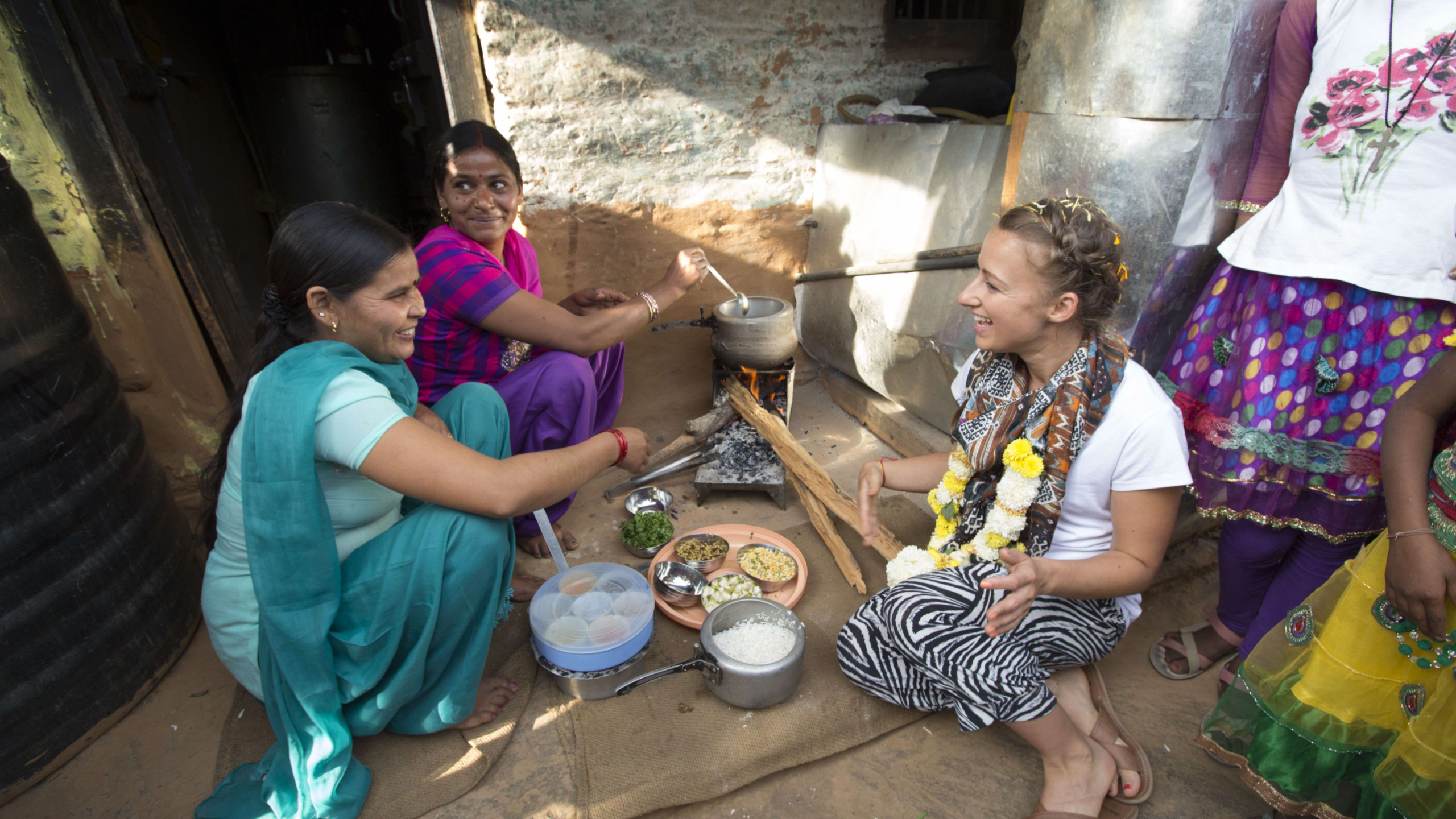
The goal isn't to return to normal. There is no normal to return to.
I have been caught in a bushfire in Australia, an earthquake in Chile, and active landslides in Nepal. None of them arrived on schedule. None of them waited until I was ready. And not one of them was followed by a return to how things were before.
That is the part we keep getting wrong about resilience. We talk about it as if it were a rubber band: stretch, snap back, carry on. But the environments I have worked in for nearly two decades taught me something different. The baseline is constantly shifting. The conditions you trained for are not the conditions you will face. The real skill is not bouncing back. It is moving forward when things won't stabilise on your timetable.
What crisis actually teaches
During the Chile earthquake, the plan we had built over months became irrelevant in about forty seconds. What remained useful was not the plan. It was the planning: the shared understanding of what mattered most, who was capable of what, and how we would make decisions when we could no longer consult the map.
Teams that survive unpredictable conditions share three things. They hold direction without clinging to the route. They maintain trust when information is scarce, because they built it when information was plentiful. And they keep momentum, even if the steps are smaller, because motion creates options that standing still never does.
The beginner's mindset is a survival skill
The most dangerous person in a crisis is the expert who cannot update. Experience is valuable right up until it convinces you that this situation must behave like the last one. What kept my teams alive was a willingness to be a beginner again: curious rather than threatened when the ground shifted, literally and otherwise.
Organisations face the same test in less dramatic clothing. A restructure. A market shift. A year that does not go to plan. The disruption itself is rarely what breaks a team. What breaks a team is spending its energy longing for conditions that are not coming back.
Moving forward anyway
Brave adaptation is not fearlessness. I was afraid in every one of those moments. It is the practised ability to act well while afraid, to make the next sound decision with the information you have, and to help the people around you do the same.
There is no normal to return to. There never was. There is only the next stretch of ground, and the question of how you will cross it.
Brave Adaptation is one of Samantha's five keynotes for 2026.
Work With Samantha
Bring this thinking into your organisation
Five keynotes for 2026: trust, resilience, sustainable high performance and cultures people don't leave. Every engagement tailored to your audience and industry.